
Starting in 2026, we are launching a Grassland Stewardship program to save the remnant native grasslands that remain in the Virginia Piedmont. Our new Grassland Steward, Heather Poyner, is working to educate stakeholders on the value of remnant grasslands and improve the management of these special places.
We are looking for volunteers to help with restoration activities in remnant grasslands in the Virginia Piedmont. Email Heather Poyner at hpoyner@cliftoninstitute.org to help manage these special grasslands!
The Problem
The vast majority of native grasslands in the Piedmont region of the eastern United States have been lost. The small patches that remain in Virginia are the most species-rich plant communities in the state, being even more diverse than Midwestern tallgrass prairies. In addition to being hyper-diverse, these grasslands host a variety of rare and threatened plants, declining shrubland birds, and specialist insects. The small, isolated remnants that persist are irreplaceable relics of a once widespread habitat, critical reservoirs of biodiversity, and important seed sources for restoration projects. Most remnant grasslands are found in powerline clearings, which are managed to prevent woody encroachment. Despite our attempted interventions over the years, the remaining grasslands continue to be degraded. They face a variety of threats, including herbicide spraying by power and gas companies, invasion by non-native plants, and development.
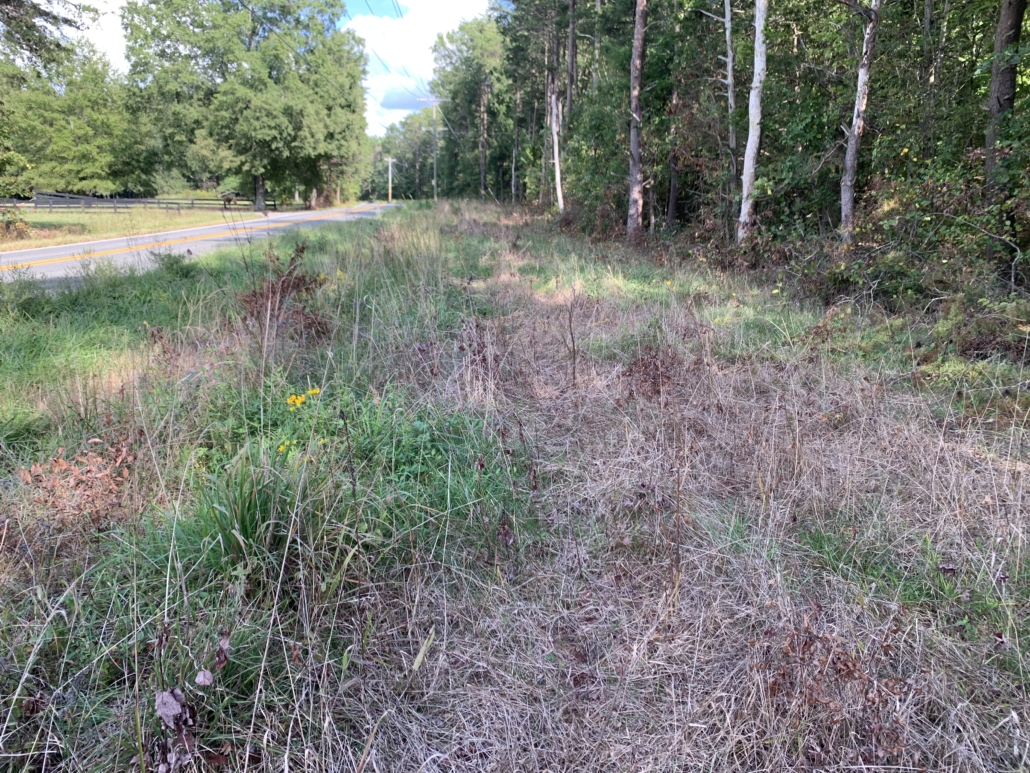
A remnant grassland in Fauquier County that was hit by herbicide.
The Solution
In 2026, we hired a full-time Grassland Steward to be the point person for remnant grassland management in the Virginia Piedmont. To start, we will work with the Piedmont Discovery Center to select 10 focal grasslands that will receive the most attention and renew contact with the landowners or managers at these sites. We will then educate landowners, power companies, and other stakeholders on the value of remnant grasslands and how to manage them; we will coordinate with stakeholders to improve management; and we will do on-the-ground management of woody encroachment and non-native plants. We plan to collect seeds of priority species from these remnants and propagate plants to restore degraded sites. The Grassland Steward will also dedicate time to managing the four unplanted, remnant-like grasslands at the Clifton Institute to reverse the degradation of these special fields and educate our roughly 4,000 annual visitors about remnant grasslands.
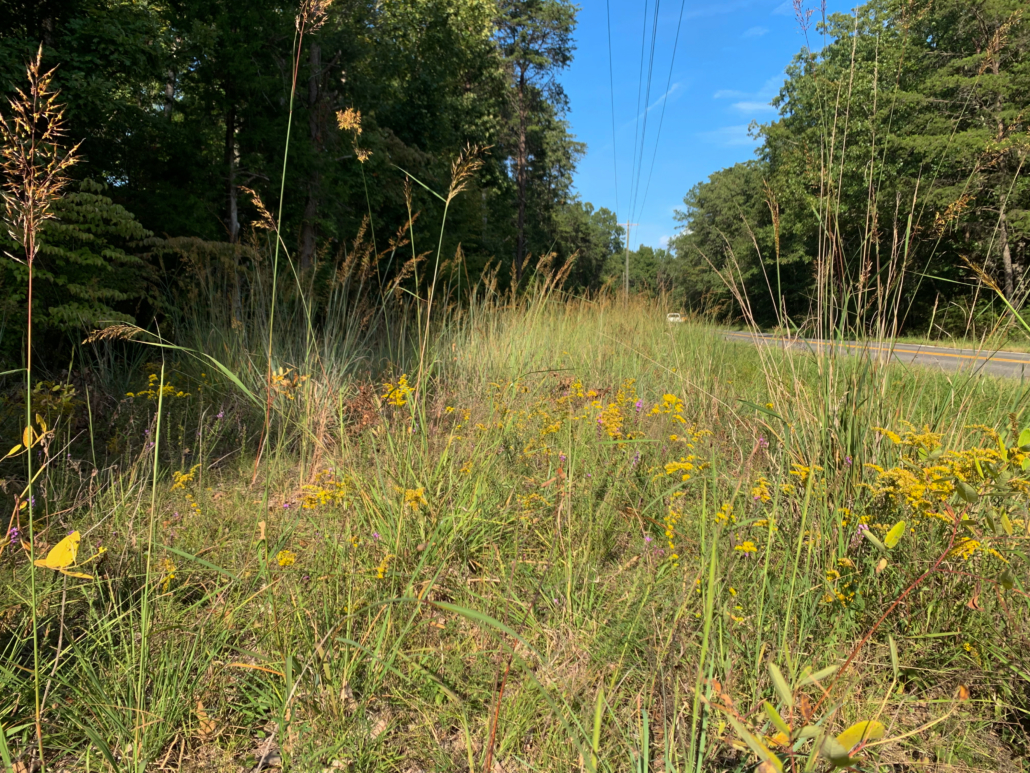
A remnant grassland in a powerline right-of-way in Fauquier County that’s home to Gray Goldenrod, Grass-leaf Blazing Star, and Indiangrass, among other grassland plants.
What do native grasslands look like?
Grasslands are habitats dominated by grasses and wildflowers. Woody plants may occur in some grasslands, but their cover is not dense enough to shade out the herbaceous ground layer. There are many types of grasslands, but we are primarily focused on prairies, savannas, and open woodlands in the Virginia Piedmont.
Prairies are mostly treeless habitats dominated by native perennial grasses and wildflowers. Trees and shrubs are typically absent or sparse and are restricted to waterways or drainages.
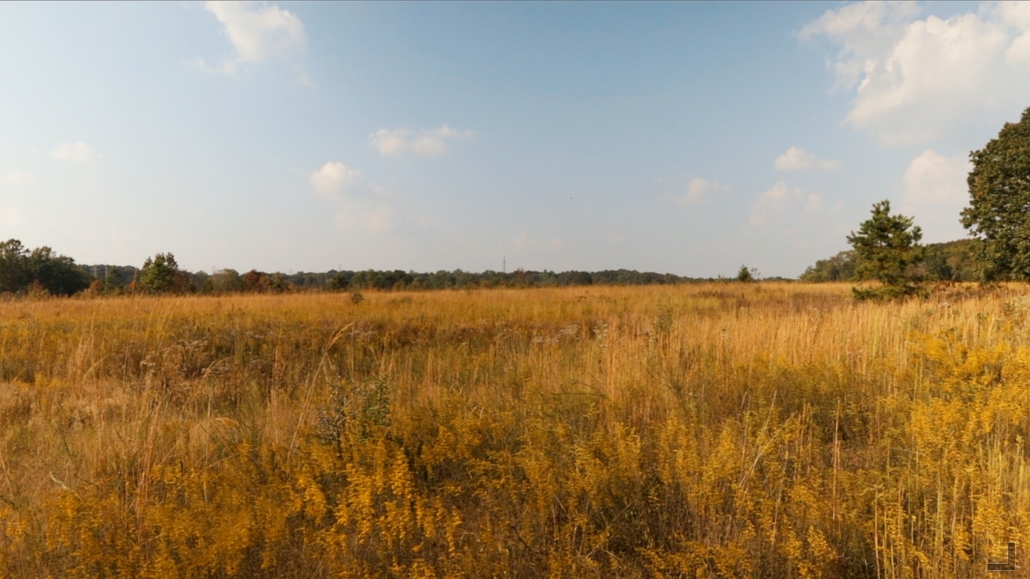
Savannas are dominated by native perennial grasses and wildflowers with widely spaced trees and scattered clumps of shrubs. Savannas have a low tree density (10–30% canopy cover) that allows sun-loving plants to thrive. Savannas commonly occur on gently rolling hills. Historically oak and pine savannas spanned millions of acres across the Southeast.
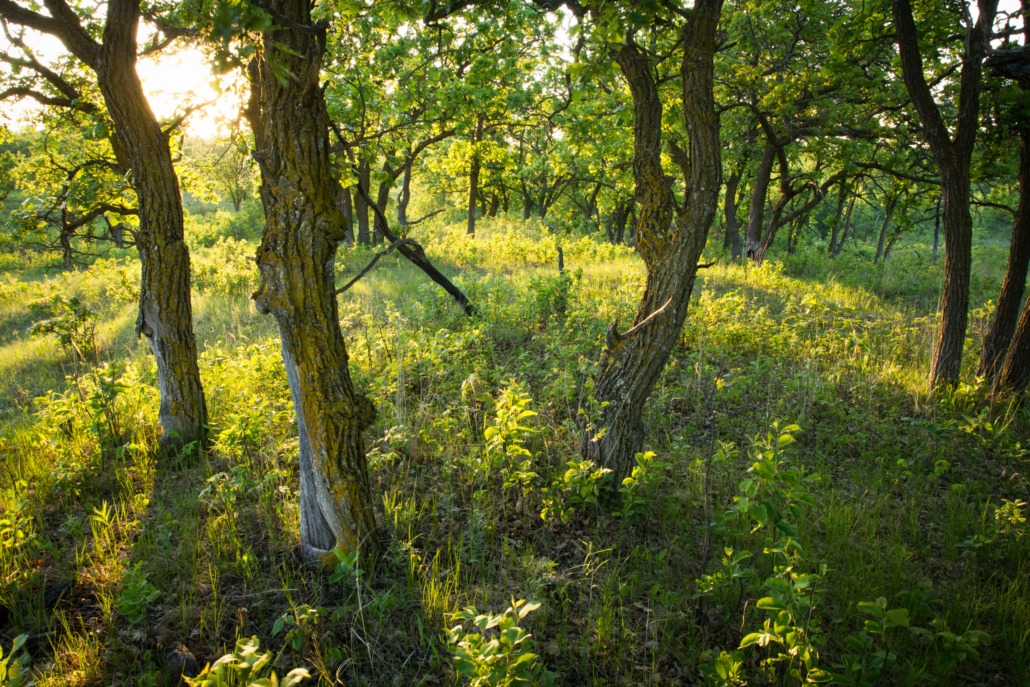
Photo by Justin Meissen
Open woodlands are dominated by herbaceous vegetation in the ground layer with greater tree density than savannas (30–50% canopy cover). As canopy cover increases, wildflowers and woody plants increase in dominance whereas grasses become less dominant.
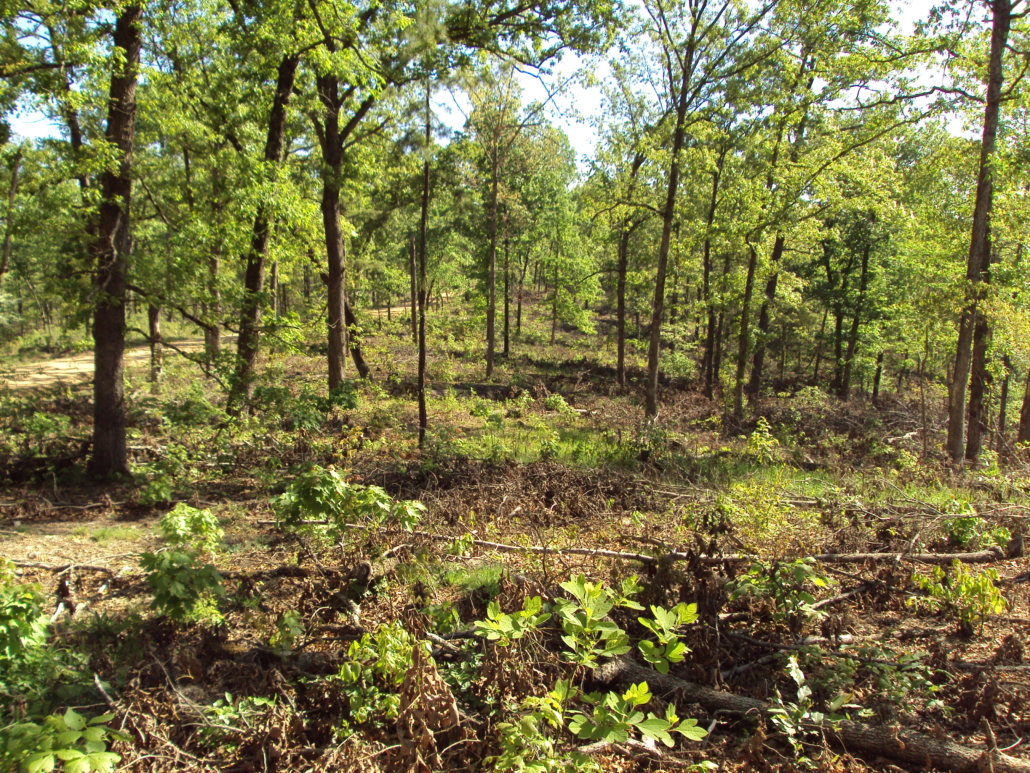
How do I know if I have a remnant grassland?
If you have some of the following plant species, you may have a remnant grassland! Get in touch to let us know and we would be happy to give you advice about how to manage it!
Remnant grassland indicator species include…
Purple False Foxglove (Agalinis purpurea)
Elliot’s Bluestem (Anatherum gyrans)
Arrowfeather Threeawn (Aristida purpurascens)
Whorled Milkweed (Asclepias verticillata)
Maryland Golden Aster (Chrysopsis mariana)
Smooth Small-leaf Tick-trefoil (Desmodium marilandicum)
Slender Lespedeza (Lespedeza virginica)
Grass-leaf Blazing Star (Liatris pilosa)
Small’s Ragwort (Packera anonyma)
Slender Mountain-mint (Pycnanthemum tenuifolium)
Orange Coneflower (Rudbeckia fulgida var. fulgida)
Rose-pink (Sabatia angularis)
Little Bluestem (Schizachyrium scoparium)
Hyssop Skullcap (Scutellaria integrifolia)
Grey Goldenrod (Solidago nemoralis)
Pencilflower (Stylosanthes biflora)
Upland Ironweed (Vernonia glauca)
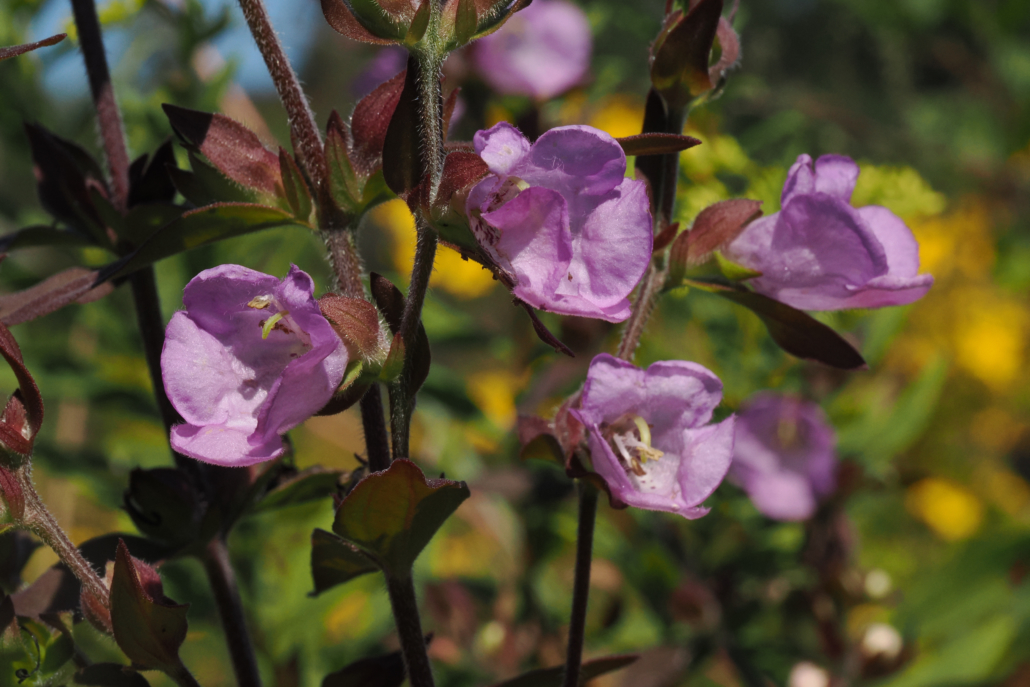
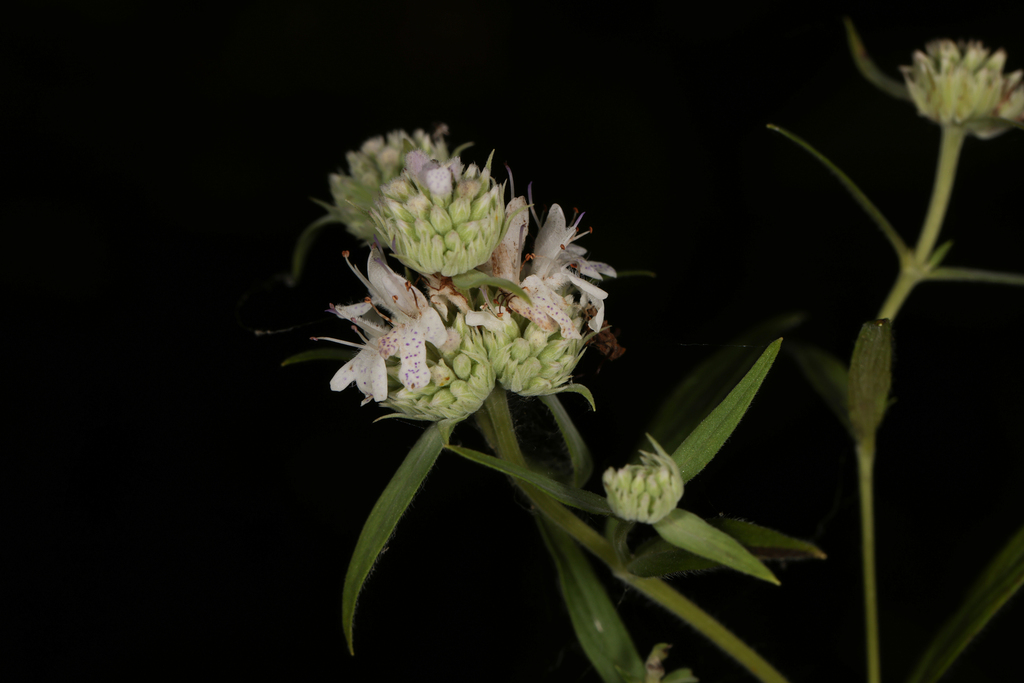
Remnant grasslands are the most species rich plant communities in Virginia, home to rare species such as the globally vulnerable Earleaf False Foxglove (left) and globally imperiled Torrey’s Mountain-mint (right). Photos by Bert Harris.
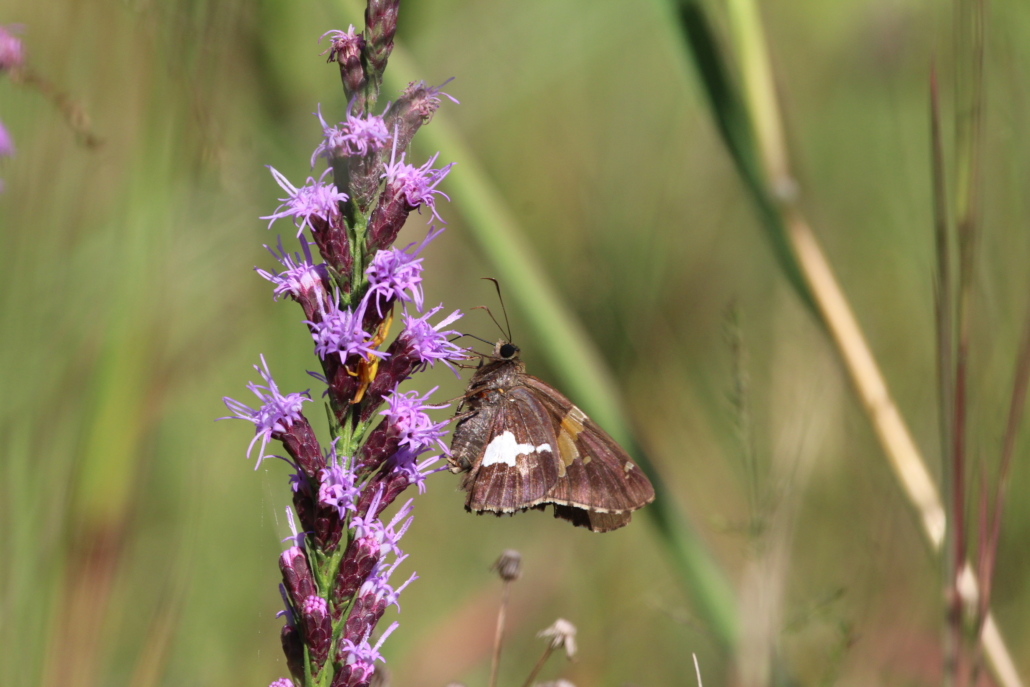
Silver Spotted Skipper on Grass-leaf Blazing Star, an indicator species for remnant grasslands. Photo by Chris Rademacher.
Project Partners
Sign up for our newsletter!